
Why do many great coaches feel drained by programming?
Is it because they’ve fallen out of love with the art? Or is it because it’s a time vortex and the tools they have don’t serve their vision?
Most S&C platforms were built when programming meant sets and reps in isolation, but coaching has evolved and it’s fair to say that programming software hasn’t always kept up.
Good coaches love building great systems, they don’t like clicking through tabs.
Spreadsheet fatigue is real. Repetitive admin stifles creativity. Programming a 1-hour session can take longer than the session itself. And for those coaches who make a mistake but don’t have access to an undo button, they’re penalised their greatest asset – time.
S&C coaches should enjoy the same modern software experience as their counterparts in other industries, one that creates clarity and is easy to use.
Let’s take a look at the 4 most prominent problems for coaches when programming.
1. Writing programs takes too long
Context is everything.
Coaches should be able to look at one page and see where their athlete is in terms of their year, their phase, their block and their session. Yet, most programmers require coaches to straddle tabs or have multiple windows open. Sure, it might take ‘just a couple of seconds’ to switch in between, but those seconds multiplied over a year add up to hours – and that’s just for one athlete.
Coaches shouldn’t have to spend time and money on an S&C programming app, to only then have to also program in Excel.
Also, a simple mistake shouldn’t ruin your day. Not being able to ‘undo’ an innocent error and having to start over is the quickest way to kill enthusiasm, passion and productivity.
Coaches shouldn’t be penalised for being human.
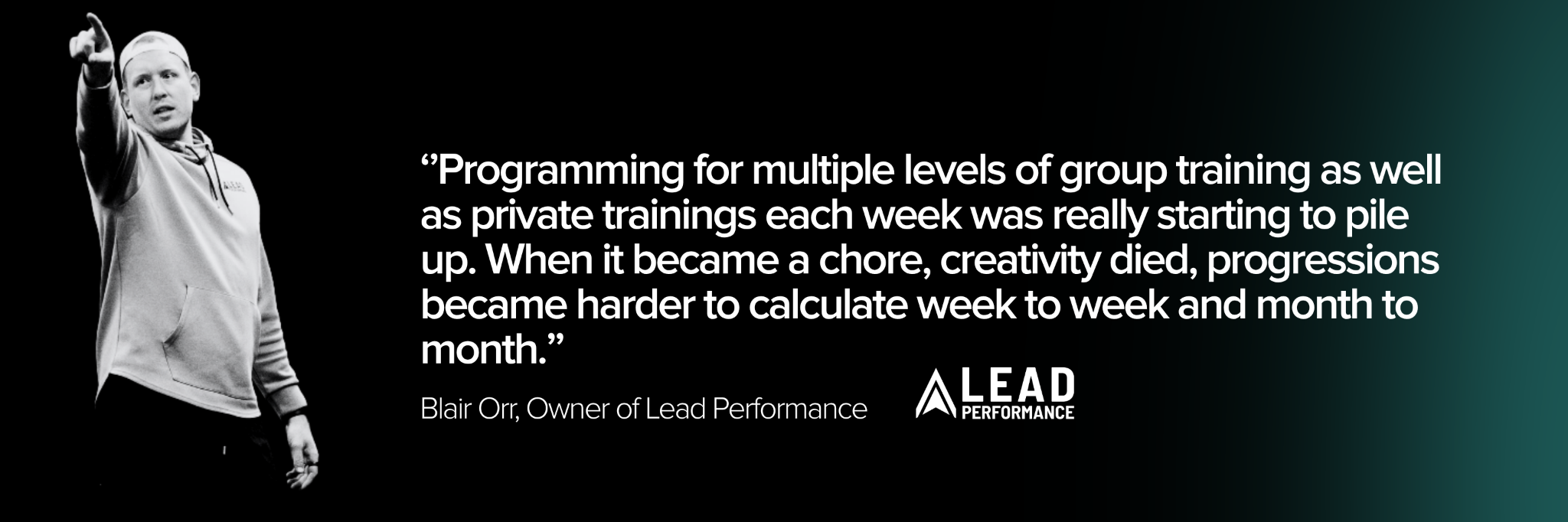
2. Flexibility and program changes are too hard
All coaches know that once programs are built, that’s just the beginning.
Changes to programs happen daily, sometimes hourly, so being able to make these changes on the fly is critical in order for athletes to not waste time in their workout.
Good coaches learn how to deal with competing schedules, injuries, equipment unavailability, athlete ego’s and so much more. Yet they’re often let down by the software that is supposed to help implement their solutions.
Whether it’s individual athlete modifications or bulk changes to an entire group program, solutions should never be more than a few clicks away.
3. Slow innovation of programming apps
In many cases, S&C programming apps don’t get updated very often, and when they do, it feels misguided.
Whether its old interfaces, unanswered client feature requests, or temporary solutions that became the full-time workaround, some S&C software can look and feel old.
Good programmers should do what you want them to do, but also improve over time to inspire coaches to go a little further.
4. Missing data and blurred context
Good coaches know that one data point doesn’t mean anything if they can’t place it within the right context. But building a complete athlete profile is tough if strength data is one hub, force tests & RPE in another, and GPS in a completely different platform.
It’s not just tough, it’s incredibly frustrating.
Integrating and collecting all athlete data in the same platform where you write your S&C programs isn’t a luxury anymore, it’s a necessity.
So, what’s being done about it?
Over the past few years, a small number of companies have started to question the way programming software has traditionally been built. Instead of layering new features onto old frameworks, they’ve asked a more fundamental question:
What should programming actually feel like for a modern S&C coach?
At Lumin, that question became the starting point.
Rather than assuming friction was just part of the job, the team began rebuilding the experience around clarity, flexibility, and context — three things coaches repeatedly said they were missing.
The result isn’t just a list of new tools. It’s a different workflow.
Seeing the big picture, without losing the detail
One theme comes up repeatedly in conversations with coaches: context.
Why can’t I see months at a time on one page?
Why do I have to toggle between weeks to understand progression?
Why is it so difficult to visualise an annual plan without opening multiple windows?
For many, the solution was still Excel — not because it was better, but because it offered a macro-level clarity most S&C platforms couldn’t.
That gap signalled something deeper. Programming isn’t linear — it’s layered. Coaches need to zoom out and zoom in without losing their place.
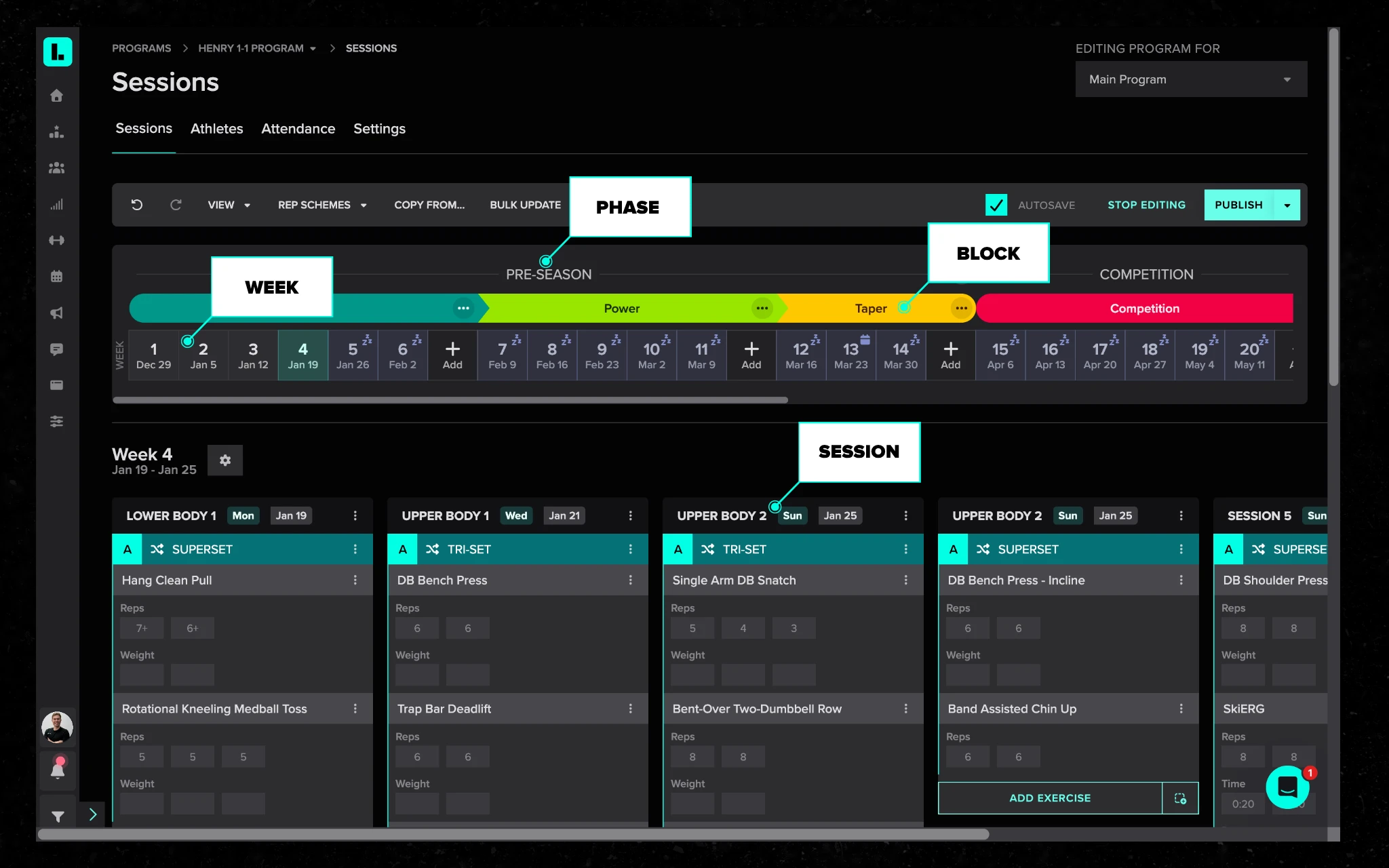
Lumin Strength Program Builder: The page is designed so coaches can view sessions in the context of the week, block and phase.
Lumin rebuilt the programming view around that principle: annual plan, phase, block, and session visible within the same environment. Coaches can assess long-term progression and immediately adjust individual sets and targets without breaking workflow.
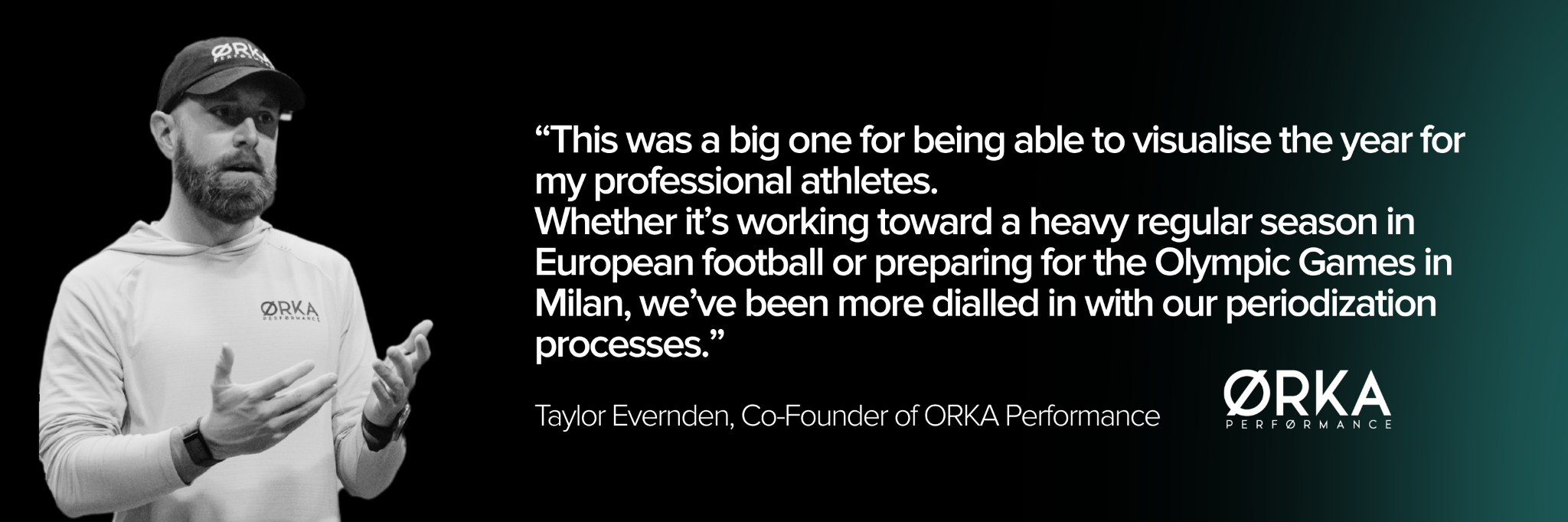
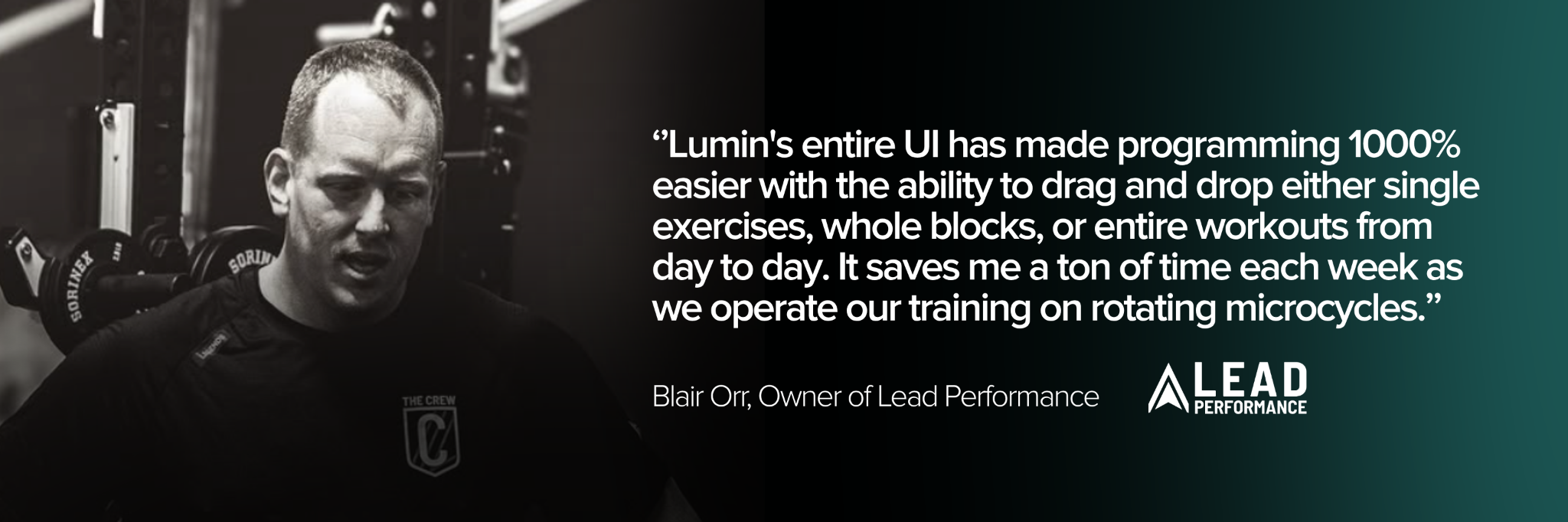
The tools that have ‘’made programming fun again’’
When programming becomes a sequence of clicks rather than a sequence of ideas, creativity slows down.
So what changes when that friction is reduced?
In Lumin’s programming environment, exercises, sessions, and even entire weeks can be moved visually — the way many coaches would rearrange magnets on a whiteboard. Supersets are created by simply layering one movement onto another. Adjustments feel immediate rather than administrative.
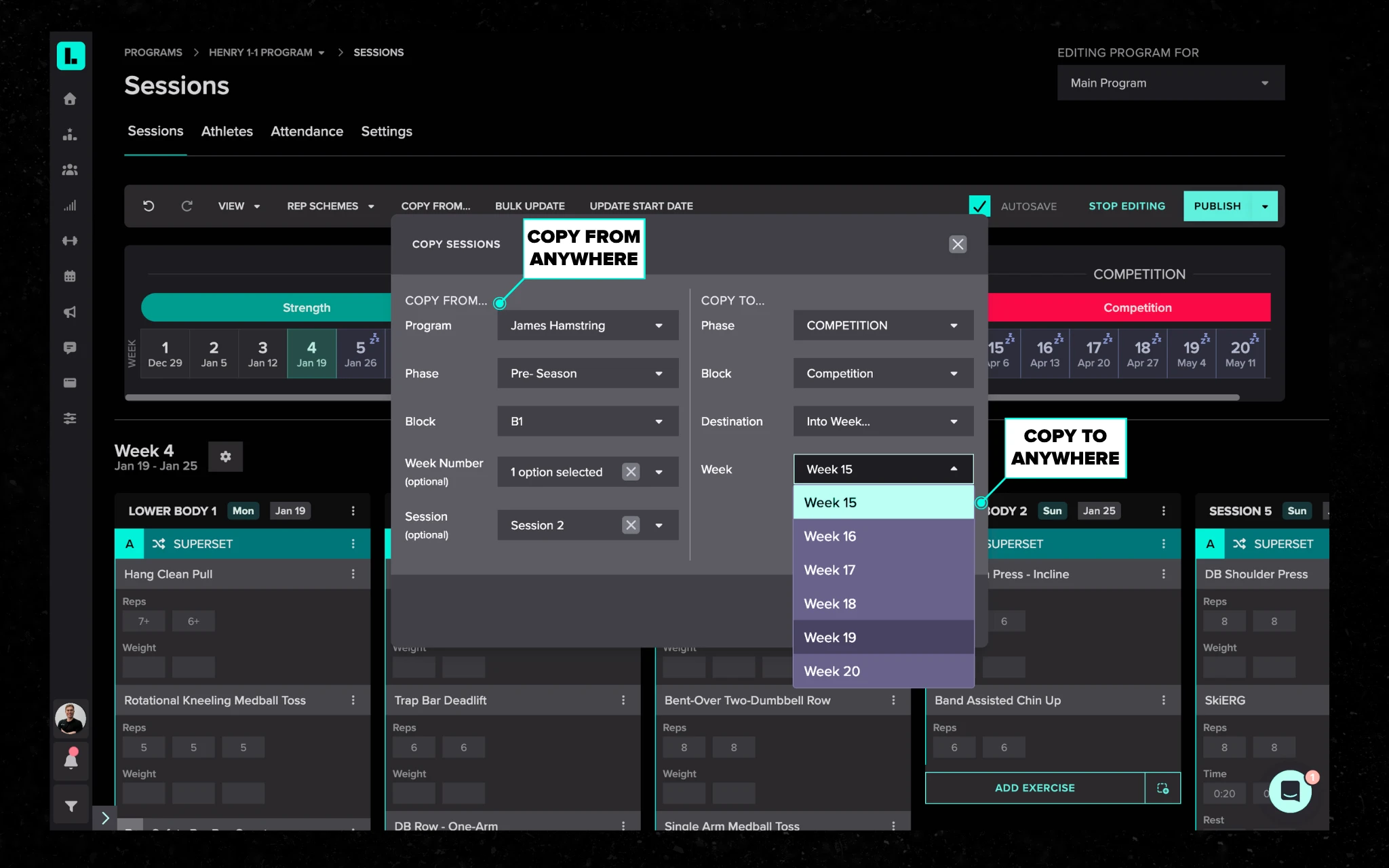
Lumin Strength 'Copy To': Coaches short on time can copy sessions from any program into any phase, block or week.
Targets are no longer restrictive either. Coaches can assign load prescriptions using weight, %1RM, RIR, RPE, velocity, time, heart rate, distance — or combine them — without switching contexts. Speed and conditioning programming doesn’t feel like it lives in a separate system.
Even simple functions like copying entire sequences between programs speed up the process.
But perhaps the biggest difference Lumin has made for coaches is not penalising them for making a mistake. The ability to ‘undo’ mistakes or accidental deletions removes hesitation from the workflow.
And hesitation is often what drains creativity.
Scalable Individualisation
Every coach believes in individualisation.
But very few have the time to build every program from scratch.
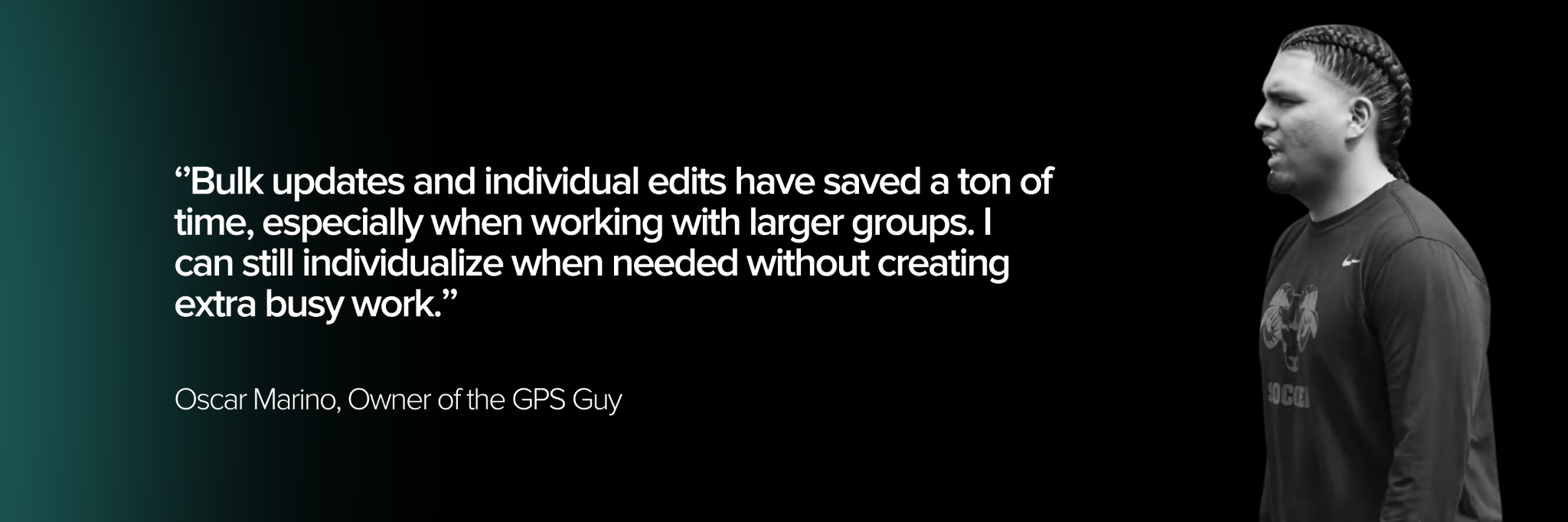
The tension between group efficiency and individual specificity is one of the defining challenges of modern performance environments.
Minor issues arise constantly — a knock from the weekend, accumulated soreness, travel fatigue. In other cases, an athlete may need to diverge from the team plan entirely for several weeks.
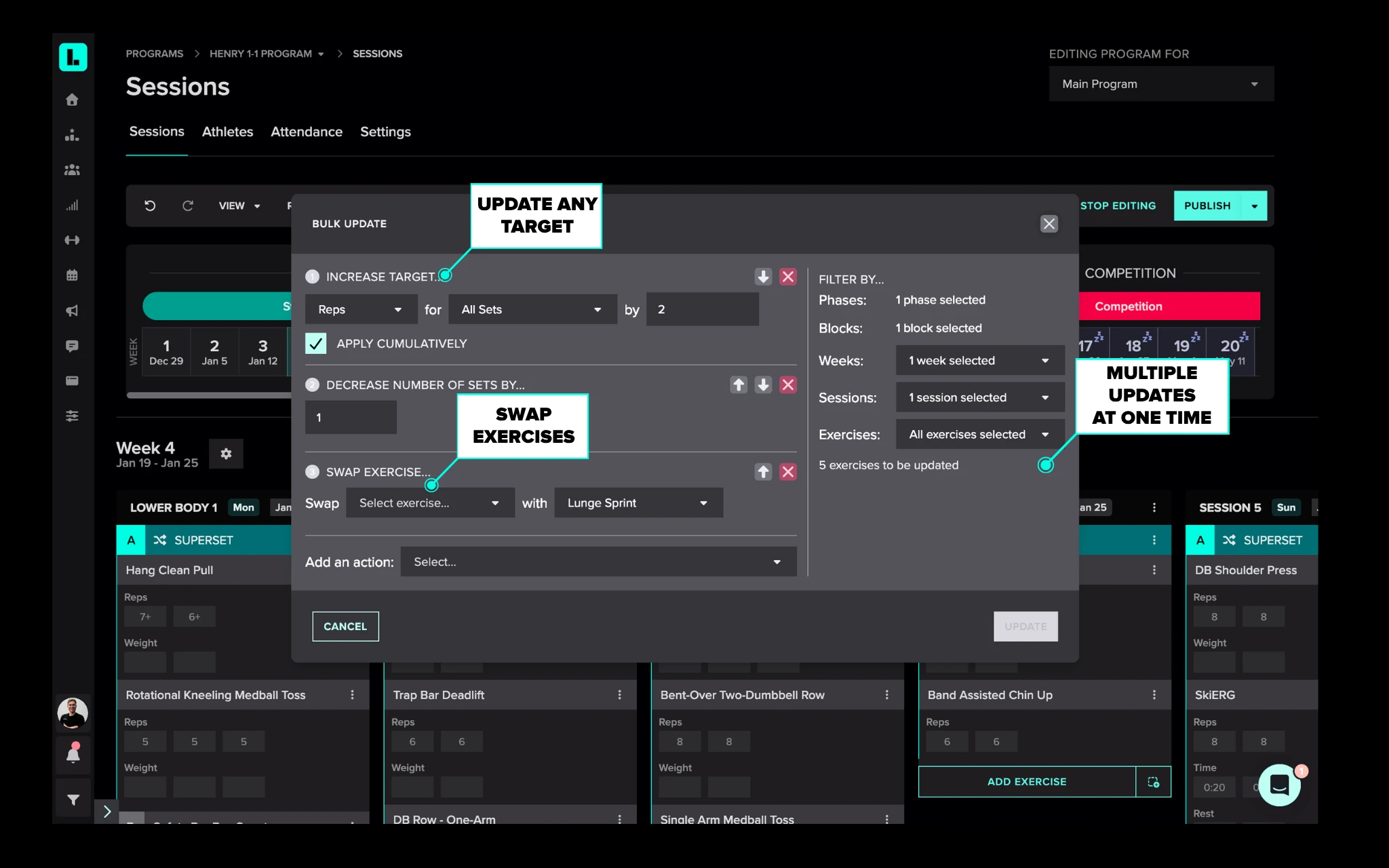
Lumin Strength 'Bulk Updates': Make updates to multiple elements in your program in just a couple of clicks.
Traditional systems force coaches into a compromise: either duplicate programs and lose connection to the master plan or manually edit session after session.
Lumin approached this differently.
Coaches can make small, athlete-specific adjustments while keeping that individual connected to future team changes — ideal for short-term modifications. When needed, they can also branch an athlete off completely, allowing their program to evolve independently without disrupting the group structure.
It mirrors how coaching actually works: layered, adaptive, and responsive.
The same philosophy applies at scale. Instead of manually adjusting targets across dozens of sessions, coaches can apply bulk changes across weeks or phases in seconds — progressing RPE over time, swapping, or tapering sets as competition approaches.
You’re the expert, so we listen and build your ideas
In performance environments, feedback loops matter.
Athletes adjust based on response. Programs evolve based on data. Coaching itself is iterative.
Software should operate the same way.
One of the frustrations many coaches express isn’t just about features, it’s about stagnation. When tools don’t evolve alongside the realities of sport, workarounds become permanent solutions.
But any coach, whether they use Lumin or not, can see a live roadmap of what is currently being built and what’s coming next.
Feature suggestions aren’t hidden in support tickets they’re visible, shared, and voted on by the community.
The direction of the product isn’t dictated behind closed doors; it’s shaped by the practitioners using it daily.
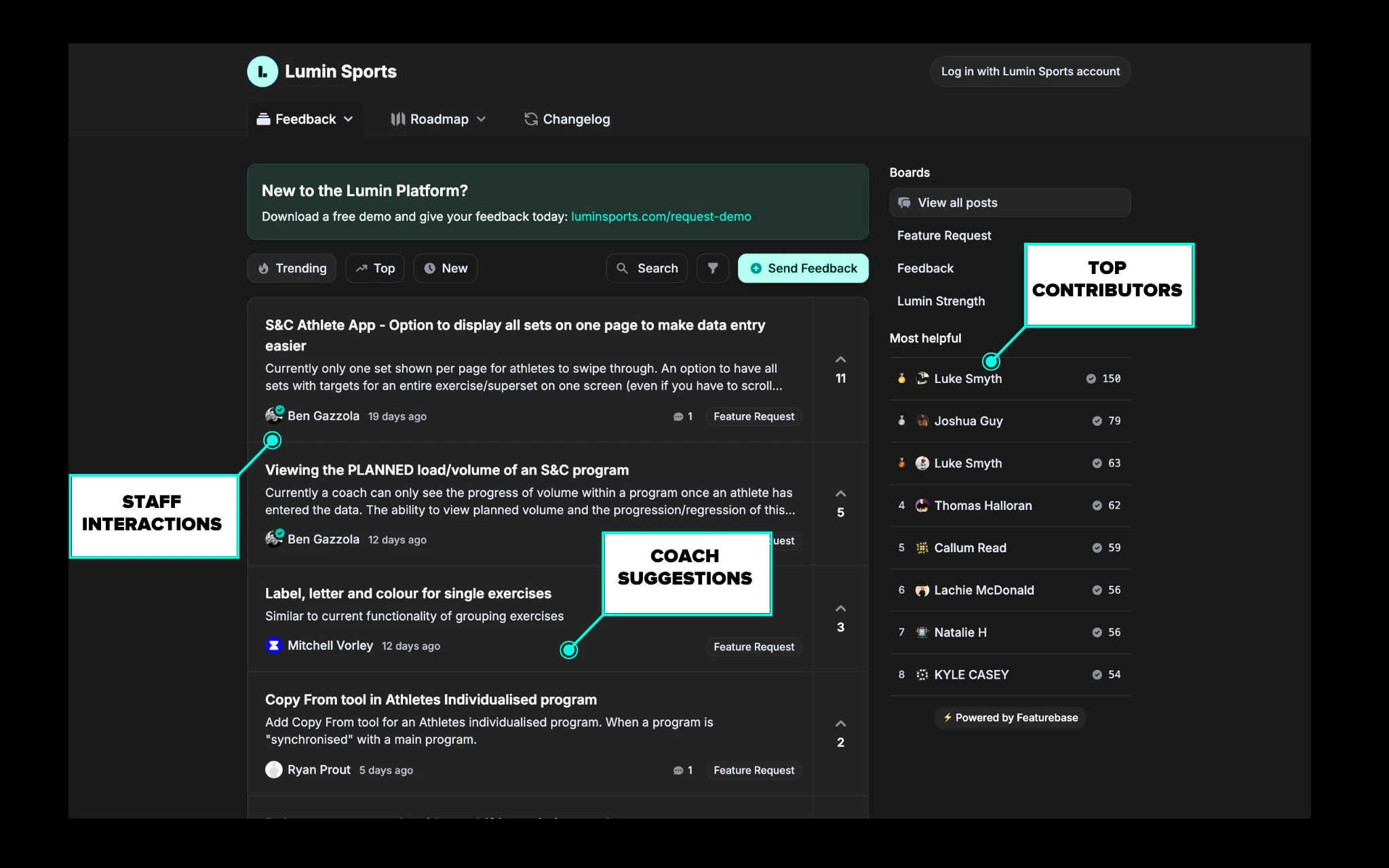
Lumin Sports 'Featurebase': Any coach or practitioner, regardless of whether their a client, can make feature suggestions and deliver feedback straight to the Lumin product team

Make informed load management decisions
Modern S&C coaching is no longer confined to sets and reps.
Decisions are influenced by accumulated load, wellness feedback, competition schedules, and subjective measures like RPE. Yet in many environments, programming and monitoring still live in separate systems, forcing coaches to mentally connect the dots.
That separation creates friction.
Lumin integrates longitudinal strength data - volume, sets, reps, maxes - alongside session reviews and RPE trends, allowing coaches to see not just what was prescribed, but how it was experienced over time.
Patterns emerge more clearly when context lives in one place.
At a team level, dashboards highlight skipped sessions, flagged comments, or athletes trending outside expected ranges. Instead of combing through spreadsheets or switching platforms, coaches can quickly identify who needs a conversation and where adjustments might be necessary.
Because effective load management isn’t about isolated data points. It’s about layered visibility.
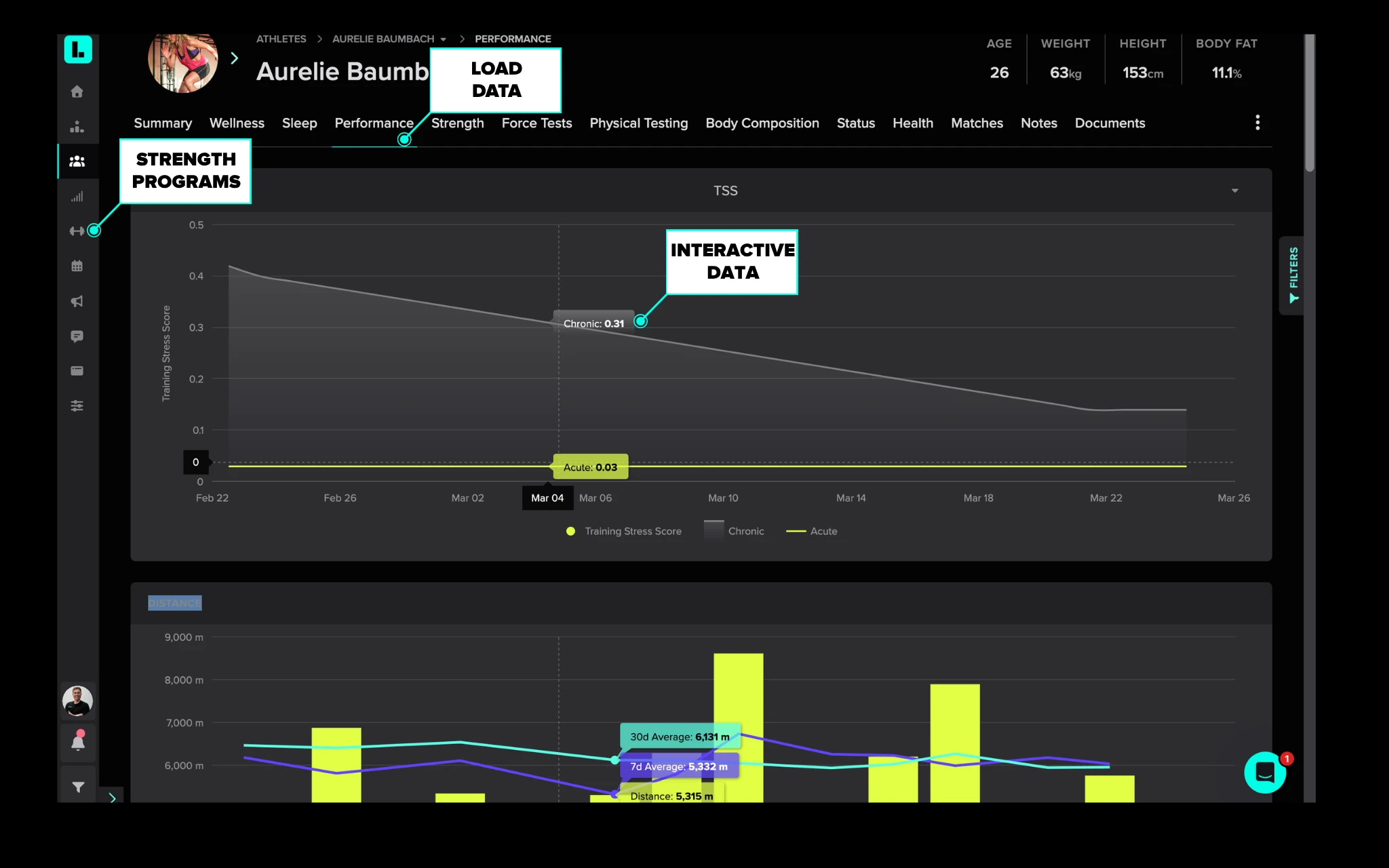
Lumin Sports 'Athlete Tab': Review and analyse athlete data sets across wellness, strength and perfroance
A.I that does the tasks you don’t want to
Some coaching tasks are repetitive, boring and take up way too much time.
Creating a new exercise is one of those tasks that needed attention.
By leaning on AI, Lumin is able to remove that pain point and create a workflow where a coach only needs to list the title and AI will take care of the rest, including writing the description, tagging muscle groups and listing the equipment required.
This simple use of AI not only saves time, but it reduces the admin burden associated with new ideas.
And that is how Lumin is proposing to use AI into the future. Not to replace or reduce coaching impact, but to use it to reduce time spent on small, time intensive tasks.
Nothing can ever replace a coach’s education, eye, and intuition.
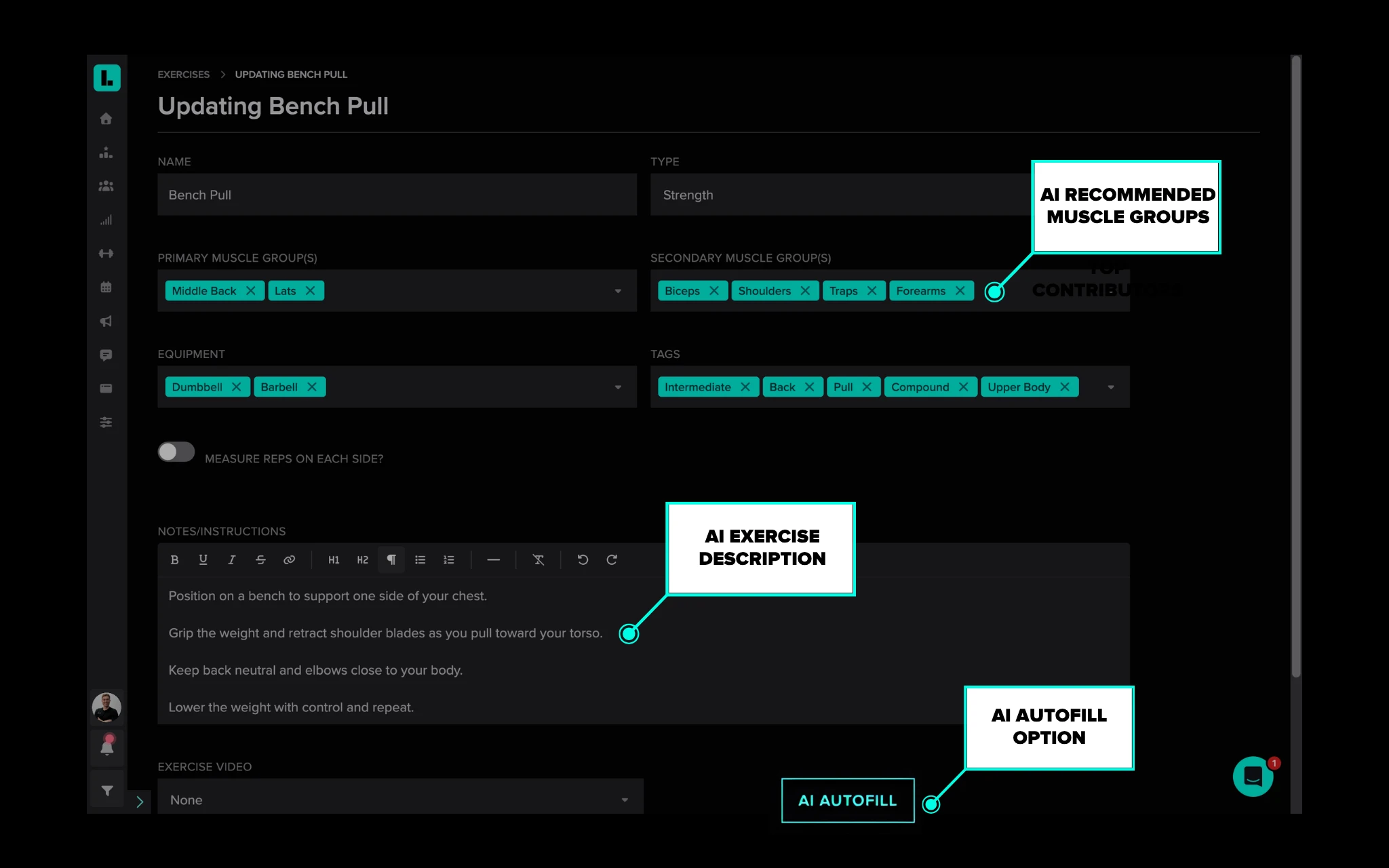
Lumin Sports 'AI Autofill: When it comes to exercise creation, AI Autofill saves you time by writing the description and adding appropriate tags all based off the title
S&C coaches have options!
So, to answer the original question of ‘why do many great coaches feel drained by programming?’ the answer is not to do with effort, fatigue, longevity or the art of programming, it’s more about being ground down by software that’s supposed to serve them.
S&C coaches have options and choices. Making the right call might just make you fall in love with programming again.
-----------------
To watch Lumin S&C Product Walkthrough, watch here
To try Lumin Sports S&C and AMS today, access our 7-day free demo here
To connect with the coaches in this article, find them here:
Blair Orr | @lead.blair
Taylor Evernden | @yycstrengthcoach
Travis Gaudet | @gaudetrehab
Oscar Moreno | @thegpsguyy